Packing
Planning a trip is always an exciting time, but when you have diabetes, you need to really think ahead to make sure you have all of the equipment and supplies you will need while you’re away. Here’s a checklist of things you will want to think about when travelling with your CGM:
- A few weeks before you go, ask your GP for a letter stating that you have diabetes and listing all the testing equipment and medication you need to travel with. Order supplies from the pharmacy in plenty of time.
- Check with your airline prior to departure regarding any special handling when travelling, as rules and regulations may change without notice.
- It’s a good idea to take twice as much equipment as you think you’ll need, just to be safe. It’s also sensible to bring a finger-prick blood glucose monitor, lancing devices, and testing strips as a backup in case anything happens to your CGM.
- Keep your glucose testing equipment in your carry-on luggage.
- Aim to check your glucose frequently while you’re travelling, and make sure you have hypo treatments and snacks with you so that you can prevent and treat hypos if needed.
- Remember to CHANGE YOUR GLUCOSE METER TIME SETTINGS if you’re crossing time zones. If you travel east, your day will be shorter; go west, and it will be longer. Ask your diabetes care team how you might need to adjust your insulin doses accordingly.
At the airport
CGMs can also go through most airport metal detectors without causing any performance issues. This includes the normal archway that you walk through.
However, they should not be exposed to full-body scanners at some airports (i.e., X-ray and millimetre-wave).
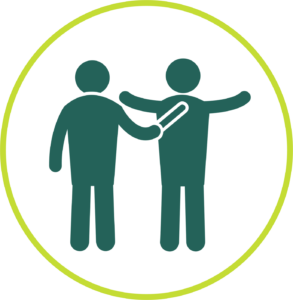
You should never be asked to remove any of your CGM components. You can also request that the Security Officer perform another type of screening, such as hand-wanding, pat-downs, or visual inspections.
If you need a pat-down from security, let them know about your sensor in case they knock it during their search.
Medical device awareness card
Following a number of complaints regarding security officers asking people with devices such as CGM’s or insulin pumps to either remove their device or go through body scanners, you can now carry a Medical Device Awareness Card.
The card contains information for both the passenger and the security officer. It has been in use in the UK since 2019 and is endorsed by the ICAO Aviation Security Panel to improve global guidance on security screening for passengers with medical devices.
The video below gives more guidance on the Medical Device Awareness Card:
On the plane
CGMs can be used at all times when on an aeroplane by connecting them to the handset or phone through Bluetooth. This will still work if you put your phone in aeroplane mode. For further guidance, check the manufacturer’s website.
When you’re away
There are a few things you may want to prepare for before you jet off that may affect your CGM and how it functions.
Sensor adhesion
If it’s hot where you are going, then you may need a little help with keeping your sensor stuck down. Sweat, sand, and sun cream can all affect the stickiness of your sensor.
Making sure you prep your skin properly to start is really important, and that the sensor is applied to clean, dry skin. You can also try some of the adhesives that we listed in the ‘wearing your sensor’ topic.
Swimming

Another thing you will need to prepare for is whether you are planning to go swimming. CGM components are only water-resistant, meaning they are designed for use in the bath, shower, or swimming at certain depths for specified periods.
For specific information on water depth and how long they are water-resistant, check the manufacturer’s website.
There are many suggestions online for protecting your sensor in the water, such as waterproof tape, patches and plasters, or using specially designed armbands that cover the sensor and protect it from knocks and water-related activities.
Extreme temperatures
Check the manufacturer’s website for the operating temperature range of your CGM sensor. If you are travelling to a very hot or very cold place, you should discuss this with your healthcare team.
Change
“Remember to CHANGE YOUR GLUCOSE METER TIME SETTINGS if you’re crossing time zones. If you travel east, your day will be shorter; go west, and it will be longer. Ask your diabetes care team how you might need to adjust your insulin doses accordingly.”
to
“You may need to change the time settings on your reader or make sure you phone clock has changed if you’re crossing time zones.”
Change
“Keep your glucose testing equipment in your carry-on luggage”
to
“Keep your glucose checking equipment in your carry-on luggage”
I think we can delete “Another thing you will need to prepare for is whether you are planning to go swimming.”