There are two types of insulin pump. Click below to find out more about each:
A ‘tethered’ pump uses a fine tube to connect the pump to the cannula; the pump is worn in a pocket or clipped to a belt.
A patch pump or micro pump has no tubing or a very short tube, and the pump is usually stuck on to the skin.
Tethered pumps
A tethered pump is attached to your body by a small tube that connects to your cannula. The pump can be attached to your waistband, carried in your pocket or in a body band.
The diagram below shows all of the components of a tethered pump.
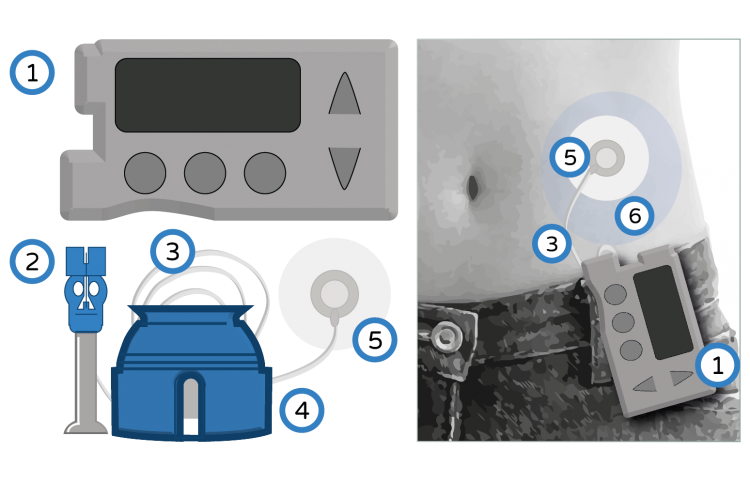
- Insulin pump: a small battery-powered device with a screen and buttons to programme your insulin doses.
- Reservoir: a plastic cartridge containing insulin that is inserted into your insulin pump.
- Flexible tubing: for insulin delivery, this tubing runs between your reservoir and your infusion set.
- Infusion set insertion device: for quick and easy set-up of your infusion set.
- Infusion set: this is where insulin is delivered into the body. A small tube called a cannula is inserted here which is held in place and changed every 2–3 days.
- Insulin enters the body
Patch pumps
Patch insulin pump is attached directly to your body so there isn’t the additional tubing you have with standard insulin pumps. They are slightly smaller than traditional pumps and are operated by either a remote control unit or a smartphone with an integrated bolus calculator.
Although the features vary between each model of patch pump, they all operate in a similar way – all of them have an insulin reservoir or ‘pod’ which delivers the insulin and a handset which allows you to control and monitor insulin delivery.
Hover over the components below to find out more:
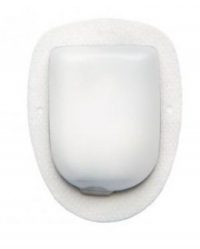
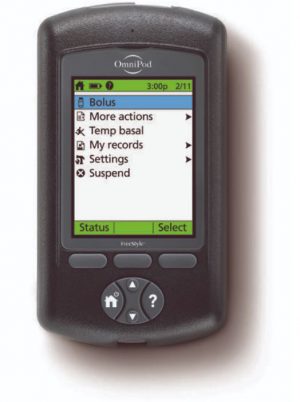
The reservoirs hold enough insulin for 2-4 days depending on the model. Some you can refill with insulin yourself, whilst others have a disposable reservoir patch that you replace every few days.